
Understanding Cerebral Palsy: Awareness, Access and Independence
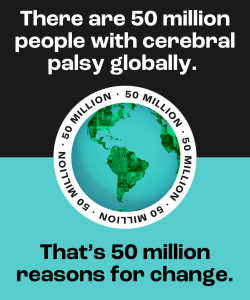
Cerebral palsy is one of the most common physical disabilities among the people we support at Bellwoods. Today, we celebrate these members of our community and the many ways they shape it – as neighbours, friends, colleagues, and advocates.
What is cerebral palsy?
Cerebral palsy, often called CP, is a group of permanent conditions that affect movement, posture and coordination. It results from damage to, or differences in the development of, the brain before birth, around the time of birth or during early childhood. In many cases, the exact cause is unknown.
CP is described as non-progressive, meaning the underlying brain injury does not worsen over time. However, its effects on a person’s body and their support needs can change throughout life. Pain, fatigue and changes in mobility can create new challenges in adulthood.
Every person’s experience is different
Cerebral palsy varies in both type and severity. Common types include:
-
Spastic: associated with muscle stiffness.
-
Dyskinetic: associated with involuntary movements.
-
Ataxic: associated with difficulties with balance and coordination.
Some people experience a combination of types. CP can also occur alongside epilepsy, intellectual disabilities, or difficulties with communication, eating, vision and hearing. These experiences vary; a diagnosis alone does not tell us someone’s abilities or support needs.
Taking time to listen to each person helps us understand what support is useful and what matters most to them.
Access to support remains unequal
World Cerebral Palsy Day organizers estimate that 50 million people worldwide live with cerebral palsy. Yet access to healthcare, rehabilitation, education and community support remains deeply unequal.
There are substantial gaps in low-income countries, where many children with CP receive neither rehabilitation nor formal education. Families can also face significant financial pressure when services are costly, difficult to reach or unavailable.
Early identification and intervention can help children develop skills and participate in everyday activities. The factsheet also emphasizes that delayed access to these services remains a concern in settings with limited resources.
Support must continue beyond childhood. Adults with cerebral palsy deserve services that respond to their changing needs, alongside opportunities to work, build relationships and participate in their communities.
Learn more at World Cerebral Palsy Day.